Spirituality at Layston 

Spiritual development or ‘flourishing’: 

Spirituality is a very personal experience. It differs from person to person and often spirituality changes within people during their lifetime. At Layston C of E First School, we recognise that spirituality is not the same as having a religion or faith; a person can be spiritual without having a particular faith. We have reflected upon different definitions of spirituality and have adopted Rebecca Nye’s ‘relational consciousness’ framework. 

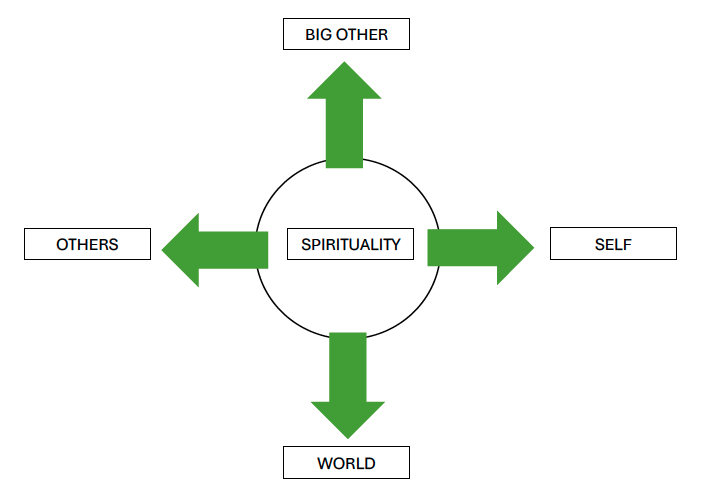
We see spirituality as developing and deepening our relationships with four different aspects of life: connection to God or something greater than humanity; connection with the world/Earth; connection with others and connection with ourselves. At Layston, spirituality is all about reflecting on relationships. 
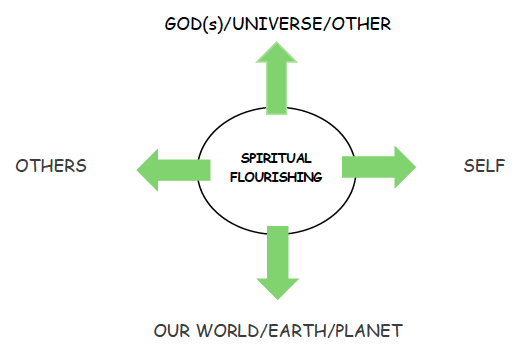
Spiritual flourishing is sometimes a slow and gradual process, at other times there might be significant stages of realisation, which are part of the ongoing ‘developing’ process. People do not reach a finished state of spiritual development, but participate in an ongoing process of spiritual realisation and connection with the four aspects above. For this reason, we have adopted the term spiritual ‘flourishing’ as opposed to ‘development’. Spiritual flourishing relates to fundamental questions about the meaning and purpose of life that affect everyone, and is not dependent on a religious affiliation. 

How we nurture spiritual flourishing: 

We embed spiritual flourishing in all aspects of our provision. It is about the relationships and the values that we consider important, as well as the development of knowledge, concepts, skills and attitudes.

We give opportunities to: 

  • Sustain their self-esteem in their learning experience and develop a playful and curious growth mindset. 
  • Develop their capacity for critical and independent thought. 
  • Foster their inner emotional life and express curiosity about their feelings. 
  • Consider how to managing their emotions and regulate themselves. 
  • Experience moments of stillness and reflection. 
  • Gain the confidence to cope with setbacks and learn from mistakes. 
  • Discuss their beliefs, feelings, values and responses to personal experiences and those of others. 
  • Form and maintain healthy and satisfying relationships. 
  • Accommodate difference and respect the integrity of individuals – including tolerance of those with different faiths, beliefs and lifestyles. 
  • Reflect on, consider and celebrate the wonders and mysteries of life. 
  • Explore the power of the arts at expressing feelings (literature, music, art, dance…). 
  • Recognise their strengths and areas for development. 
  • An open & safe learning environment for all 
  • A clear vision and ethos 
  • A culture of inclusion and nurture 
  • Daily collective worship (CW) and an exploration of the chosen Christian values 
  • Healthy, nurturing relationships with staff & each other 
  • Weekly Forest School sessions and connection with nature – ‘green therapy’ 
  • Engaging reflection areas around school 
  • Promotion of the 5 Ways to Wellbeing 
  • Providing a broad well-planned sequential curriculum 
  • Therapeutic responses to behaviour using ‘Therapeutic Thinking’ (TT) 
  • Support to develop emotional literacy and agency (CW, PSHRE, TT) 
  • Constructive and positive feedback 
  • Parent Partnership and effective communication 
  • Communal singing and performing